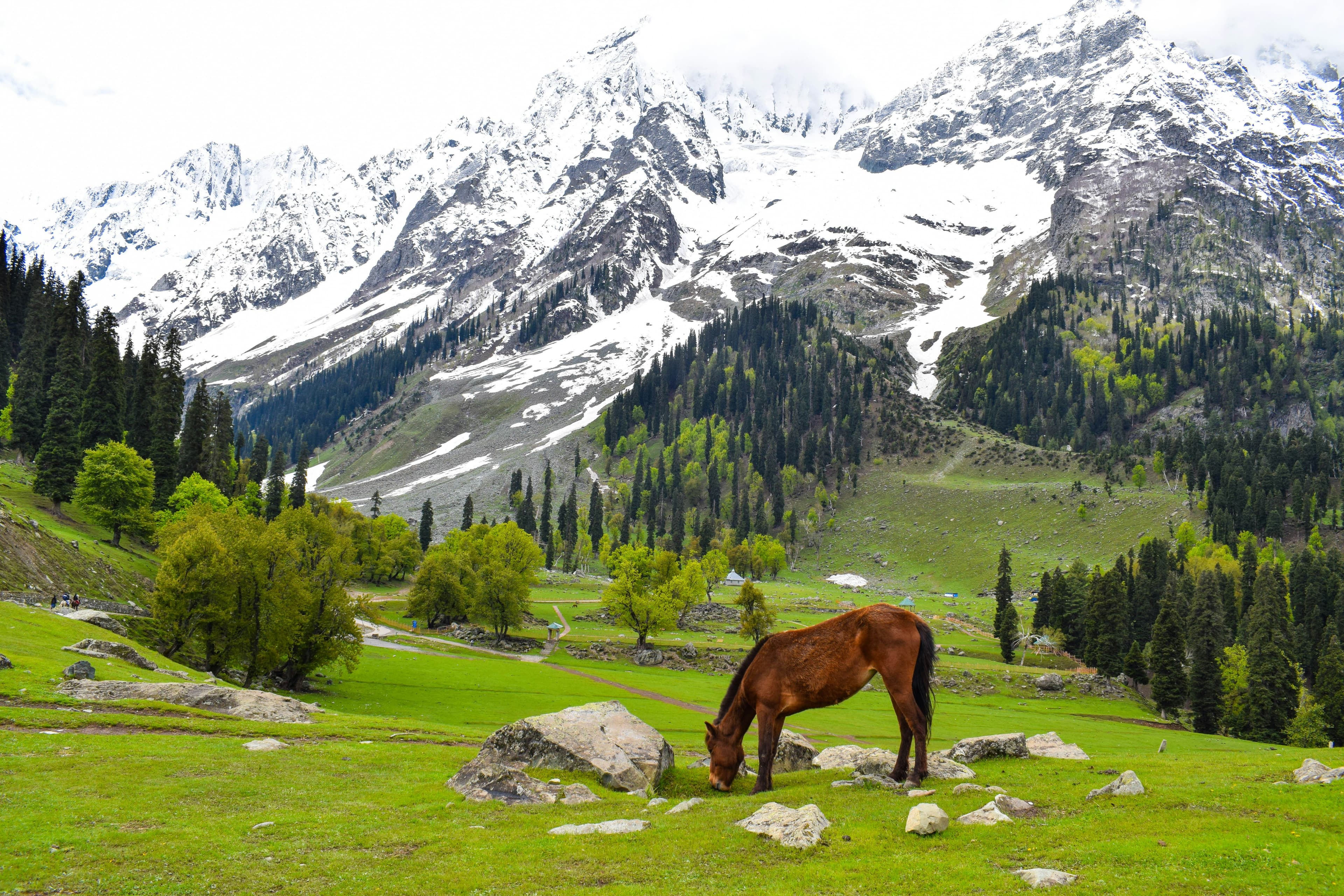
Stop Googling "Best Time to Visit Kashmir" and Read This Instead
Every travel blog gives you the same answer: March to October. Which is technically correct and practically useless. It is like telling someone the best time to eat is between breakfast and dinner. Kashmir in April and Kashmir in September are two completely different destinations. The tulip gardens are gone, the snowfields are gone, the crowds are gone — everything changes. What you want out of the trip determines when you should go. This guide does not give you a season. It gives you a month-by-month breakdown of exactly what Kashmir looks like, what it costs, and whether it matches what you are actually looking for. Real temperatures, real crowd levels, real prices as of 2026. Nothing generic.
Quick Reference — Best Time by Purpose
- For snowfall + ski experience: December to February (Gulmarg)
- For tulip gardens: Late March to mid-April (Indira Gandhi Tulip Garden)
- For perfect weather + first-time visit: April to early June
- For greenery + waterfalls + zero crowds: July to mid-September
- For autumn colors — the best Kashmir nobody talks about: October
- For budget travel with decent weather: February, late September, November
- For honeymoon: April–June (romantic weather) or October (golden colors)
- Situational avoid: Late January storm season, last week December (price spike)
- Safety note 2026: Always check travel advisories before booking — situation varies by area
January — Frozen Kashmir at Its Most Dramatic
January is the harshest and most cinematic month in Kashmir simultaneously. Srinagar drops below -5°C, Dal Lake partially freezes and you can watch locals walking on the ice — one of the most surreal sights in India. Gulmarg becomes one of Asia's best ski destinations with 4–6 feet of fresh powder. This is not the Kashmir of shikara rides and houseboats. This is a different beast entirely.
- Temperature: -8°C to 3°C in Srinagar, -15°C to -5°C in Gulmarg
- Snowfall: Heavy and consistent — Gulmarg gets 4–8 feet in peak winter
- Dal Lake: Partially freezes — locals cross on foot, vendors sell chai on the ice
- Crowd level: Medium — a specific crowd of snow and ski seekers
- Hotel prices: High in Gulmarg (ski demand), surprisingly affordable in Srinagar houseboats
- Best for: Skiing at Gulmarg, frozen Dal Lake experience, dramatic winter photography
- Gulmarg skiing reality: Gondola Phase 1 (2600m) ₹900 return, Phase 2 (3980m) ₹1500 return — world-class slope for the price
- What most blogs skip: Chillai Kalan — the 40-day harsh winter period in Kashmir (Dec 21 to Jan 31). This is the real deep winter. Beautiful but not for the unprepared.
- Flight reality: Weather delays are frequent in January. Build a buffer day into any January Kashmir plan or you will miss your return flight.
- What to carry: -20°C rated down jacket, thermal base layers, waterproof boots with ankle support, hand warmers — this is non-negotiable
- Budget January note: Srinagar accommodation is 20–30% cheaper than peak season. Houseboats desperate for occupancy will negotiate hard.
February — Smarter Snow Trip, Lower Price
February is January minus the worst of the cold and minus the premium pricing. Snow is still deep, Gulmarg is still excellent for skiing, and Dal Lake may still have ice patches. But the post-January lull means hotel prices drop noticeably and flight bookings are more available. For budget snow travelers, February is the answer.
- Temperature: -5°C to 8°C in Srinagar, -12°C to -3°C in Gulmarg
- Snowfall: Consistent through the month, eases slightly by end of February
- Crowd level: Low — noticeably quieter than January
- Hotel prices: 20–30% lower than January — negotiate directly with houseboats
- Houseboat pricing: ₹1500–₹3000 per night for a decent houseboat on Dal Lake in February vs ₹3000–₹5000 in peak June
- Best for: Budget snow experience, skiing without January crowds, peaceful frozen landscapes
- Gulmarg in February: Snow quality is actually better than January — settled powder vs fresh heavy fall. Skiers prefer February.
- Hidden gem: Yusmarg in February — 47 km from Srinagar, almost zero tourists, meadow completely snow-covered, ponies available for snow rides (₹300–₹500)
- Practical note: Chillai Kalan ends January 31. February feels lighter but do not underestimate the cold — evenings still brutal.
March — The Most Interesting Month Nobody Plans For
March is the transition month and that makes it uniquely interesting. Snow is melting in the valley but still sitting heavy on the peaks and in Gulmarg. Almond trees begin blooming in early March — the first colour after months of white. By late March the tulip garden begins its opening. You get snow AND flowers in the same trip if you time March right. The problem: weather is unpredictable. A late snowstorm is common.
- Temperature: 2°C to 15°C in Srinagar — swings 12 degrees between morning and afternoon
- Snowfall: Possible in early March, mostly gone from Srinagar by mid-March
- Tulip Garden: Opens late March — exact date varies year to year based on temperature
- Almond blossom: Early March in Badami Bagh area — stunning pink-white bloom, almost no tourists
- Crowd level: Medium and building toward April peak
- Hotel prices: Rising from February lows but not yet peak
- Gulmarg in March: Still excellent skiing — snow is settling, visibility improves
- The smart move: Go first week of March for almond blossoms + last Gulmarg snow. Go last week of March for first tulips + spring feel.
- Weather warning: March is famous for sudden storms in Kashmir — the locals call it "March madness." Check forecast before any outdoor plan.
April — The Tulip Month (Go Early, Not Late)
April is the most photographed month in Kashmir and for good reason. The Indira Gandhi Tulip Garden in Srinagar holds 1.5 million tulips across 45 varieties — the largest tulip garden in Asia. On a clear morning with Zabarwan mountain as backdrop it is genuinely one of the most beautiful sights in India. The catch: peak bloom lasts only 10–15 days and exact timing shifts every year depending on winter temperatures. Most people plan for mid-April and miss it.
- Temperature: 8°C to 20°C — ideal sightseeing weather
- Tulip Garden peak bloom: Usually first 10 days of April — check tulipgardenkashmir.jk.gov.in for live updates
- Tulip Garden entry: ₹50 Indians, ₹200 foreigners — open 9 AM to 7:30 PM during season
- Morning vs afternoon: Go at 9 AM opening — soft light, no crowds. By 11 AM it is a crowd management exercise.
- Crowd level: High during tulip peak, drops sharply after gardens fade
- Hotel prices: Highest of the year during tulip week — book 4–6 weeks ahead
- Dal Lake in April: Shikara rides are at their best — cool air, clear water, flower vendors on the lake
- Shikara ride pricing 2026: Government fixed rate is ₹900 for 1-hour shikara — insist on this, touts quote ₹2000–₹3000
- Beyond tulips: Mughal Gardens — Shalimar Bagh, Nishat Bagh, Chashme Shahi — all in bloom and extraordinarily beautiful in April. ₹24–₹50 entry each.
- Pahalgam in April: Snow melting on Lidder River banks, horses trekking, zero crowds. Better value than Srinagar in tulip rush week.
May–June — Peak Season (The Classic Kashmir)
This is the Kashmir everyone imagines — green valley, blue lake, snow-capped peaks in the distance, perfect 20°C afternoons. It is also the most crowded and expensive version of Kashmir. If this is your first trip and you want the full picture — Srinagar houseboats, Gulmarg gondola, Pahalgam riverside — May and June deliver it. Just book everything two weeks ahead minimum.
- Temperature: 18°C to 30°C in Srinagar — genuinely pleasant
- Snowfall: None in valley, visible on far peaks
- Crowd level: Peak — Srinagar gets heavily congested especially weekends
- Hotel prices: Highest of the year — houseboats ₹3000–₹8000/night, budget hotels ₹1200–₹2500
- Best for: First-time visitors, family trips, honeymooners, anyone wanting "complete Kashmir experience"
MUST DO IN MAY-JUNE
- Dal Lake shikara ride: Morning 6–7 AM for the famous floating vegetable market — vendors selling directly from shikaras, surreal experience
- Gulmarg Gondola: Phase 1 to Kongdori (2600m) ₹900, Phase 2 to Apharwat Peak (3980m) ₹1500 — views from Phase 2 on clear days are extraordinary
- Pahalgam: 96 km from Srinagar — Betaab Valley, Aru Valley, Lidder River — a full day trip minimum
- Sonmarg: 80 km from Srinagar — Thajiwas Glacier at 3000m, still snow in June, ₹600–₹800 for pony to glacier
WHAT TO BOOK IN ADVANCE
- Houseboat: Call directly — better rates and availability guarantee. WhatsApp the houseboat owner, not a travel agent.
- Gulmarg gondola Phase 2 tickets: Buy online at jktdc.co.in — sells out on weekends
- Flights: IndiGo and Air India both serve Srinagar from Delhi — ₹2500–₹6000 depending on timing
July–September — The Green Season Locals Love (Tourists Ignore)
Here is the Kashmir secret that budget travelers know and most tourists miss: July to mid-September is when the valley is at its greenest, waterfalls are thundering, the Amarnath Yatra creates a spiritual atmosphere, and hotel prices drop 30–40%. The monsoon hits Kashmir lightly compared to the rest of India — more like consistent cloud cover with occasional rain rather than the deluge that hits Himachal or Uttarakhand.
- Temperature: 20°C to 32°C — warmest months, comfortable
- Rainfall: Light to moderate — not the heavy monsoon of South or Central India
- Crowd level: Low for tourists, very high in Amarnath Yatra areas (July–August)
- Hotel prices: 30–40% lower than May–June — best time to negotiate houseboat rates
- Houseboat in July: ₹1500–₹3000 for the same boat that costs ₹5000 in June
- Best for: Budget travelers, those who hate crowds, people who find green landscapes more beautiful than snow
WHAT IS SPECIAL JULY–SEPTEMBER
- Lidder River in Pahalgam is full and thundering — the valley is impossibly green
- Wular Lake — largest freshwater lake in India — surrounded by lotus flowers in August
- Doodhpathri: 42 km from Srinagar, meadow of milk-white flowers, almost unknown to tourists
- Sonamarg waterfalls are at full power — the Nilagrad River crossing is a highlight
HONEST WARNING
- Amarnath Yatra (July–August) creates heavy traffic on Srinagar-Pahalgam highway. Plan Pahalgam visits for weekdays.
- Some high altitude treks like Tarsar Marsar close due to unpredictable weather in July.
- Carry a good rain jacket — not for monsoon but for afternoon showers.
October — The Month That Ruins Every Other Month
Once you spend October in Kashmir you will find it difficult to visit in any other month. The entire valley turns gold, orange and red as the Chinar trees shed their leaves. The Dal Lake in October is a mirror reflecting orange trees and blue sky simultaneously. Crowds are almost completely gone. Hotels are negotiable. The air is crisp and cold in the mornings and warm enough for a light jacket in the afternoon. October is the travel community's open secret for Kashmir and it is getting less secret every year.
- Temperature: 8°C to 22°C — perfect layering weather
- Snowfall: Starts only at very high altitude — Gulmarg gets first dusting late October
- Autumn colors: Chinar trees peak mid-October — 10–14 days of full color
- Crowd level: Low — this is changing as more people discover October but still far quieter than May
- Hotel prices: Medium-low — negotiate everything, owners prefer occupancy over vacancies
- Best for: Photography, couples, solo travelers, anyone who has done Kashmir in peak season and wants the real version
OCTOBER HIGHLIGHTS
- Chinar trees on Dal Lake banks: The most photographed October scene in Kashmir. Morning shikara rides with golden leaves reflecting in the water.
- Saffron harvest: Mid-October to mid-November in Pampore (25 km from Srinagar) — the only saffron harvest in India. Visit the fields, buy saffron directly from farmers at ₹200–₹300/gram vs ₹500+ in city shops.
- Apple orchards in Shopian and Sopore: Buy apples directly from orchards, ₹50–₹80/kg for varieties that cost ₹200 in Delhi.
- Pahalgam in October: The Betaab Valley turns gold. Horse rides through fallen leaves. Almost no other tourists.
- Nagin Lake: Less visited than Dal but equally beautiful in October colors — kayaking for ₹300–₹500/hour.
November — Quiet, Cold and Criminally Underrated
November is Kashmir going to sleep. Tourist infrastructure begins closing down, some houseboat owners wrap up for the season, Gulmarg prepares for ski season. But the first half of November is genuinely good travel — cold mornings, quiet sights, low prices and the last of the autumn colors lingering on older Chinar trees.
- Temperature: 0°C to 15°C — real cold begins
- Snowfall: Starts at Gulmarg by mid-November (ski season preparation)
- Crowd level: Very low — some attractions and restaurants close for season
- Hotel prices: Lowest of the year — negotiate aggressively
- Best for: Budget travelers, quiet retreat seekers, people who prefer solitude
- What stays open: Most Srinagar hotels and houseboats, Mughal Gardens, Dal Lake
- What closes: Some Pahalgam accommodations, many Sonamarg facilities, some gondola maintenance shutdowns
- Local tip: November is when Kashmiris start using Kangris (clay pot heaters carried under pherans). A pheran with kangri is the most authentic Kashmir winter experience you can have — ask your houseboat owner.
December — First Snow and Holiday Price Traps
December has two very different personalities. First two weeks: fresh snowfall begins in Srinagar, Gulmarg goes white, the valley is quiet and atmospheric. Last two weeks: Christmas and New Year tourists flood in, prices double or triple overnight, and the quiet Kashmir is gone until January 5th.
- Temperature: -4°C to 6°C
- Snowfall: Starts mid-December in Srinagar, Gulmarg gets heavy snowfall from early December
- Crowd level: Low early December, Very High Christmas-New Year week
- Hotel prices: Low in first two weeks, 2–3x spike during Christmas-New Year
- Gulmarg ski season: Officially opens December — slopes in excellent condition
- Best strategy: Visit December 1–20 for best value fresh snow experience. Avoid December 22 to January 2 unless you have booked 2 months ahead and budgeted for peak pricing.
- Chillai Kalan starts: December 21 — the 40-day harsh winter begins. Beautiful but extreme.
How to Reach Kashmir — Real Options with 2026 Prices
Srinagar is well connected by air and there is no practical land route for most travelers. Here are your actual options.
BY FLIGHT — Only Practical Option from Most Cities
- Delhi to Srinagar: IndiGo, Air India, SpiceJet — ₹2500–₹7000 one way depending on advance booking
- Book 3–4 weeks ahead for under ₹3500. Last minute anything is ₹6000+
- Flight time: 1 hour 15 minutes from Delhi
- Mumbai to Srinagar: ₹4000–₹9000, direct or via Delhi
BY ROAD (Only from Jammu — Not Recommended Unless You Enjoy Adventure)
- Jammu to Srinagar: 300 km, Jammu-Srinagar National Highway — 8–12 hours depending on traffic and road conditions
- JKSRTC deluxe bus: ₹700–₹1000 from Jammu bus stand
- Shared cab: ₹800–₹1200/person — faster if road is clear
- Warning: Highway frequently closes for one-way traffic, landslides during monsoon, snowblocking in winter. Always check nh44.in before any road journey.
- Train to Jammu: From Delhi ₹400–₹700 sleeper, then bus/cab to Srinagar
AIRPORT TO CITY
- Srinagar Airport to Dal Lake: 12 km, prepaid taxi ₹500–₹700
- App cabs (Uber/OLA): Available, ₹350–₹500
- Avoid: Random taxis outside arrivals quoting ₹1500+ — prepaid counter only
Real Budget Breakdown for Kashmir (2026)
- Delhi to Srinagar flight return: ₹5000–₹12000 (biggest variable in Kashmir budget)
- Houseboat 3 nights (mid-range): ₹4500–₹9000 total (₹1500–₹3000/night)
- Budget hotel alternative: ₹800–₹1500/night in Srinagar
- Food 5 days (local restaurants + one nice meal): ₹1500–₹2500
- Shikara rides (government rate ₹900/hr): ₹900–₹2700
- Gulmarg day trip (cab + gondola Phase 1+2): ₹2500–₹4000
- Pahalgam day trip (cab + local rides): ₹1500–₹2500
- Local transport Srinagar (autos + app cabs): ₹500–₹1000
- Entry tickets + misc: ₹500–₹1000
- TOTAL 5-DAY BUDGET RANGE: ₹17000–₹35000 per person
- Budget end (hostel, local food, one gondola): ₹15000–₹18000
- Mid-range (houseboat, mix): ₹22000–₹28000
- Comfortable (houseboat + all day trips): ₹30000–₹40000
- Honest note: Kashmir is not a ₹7000 trip unless you are coming from Jammu by road. Anyone claiming full Kashmir under ₹8000 is not counting flights.
What to Eat in Kashmir — Beyond Wazwan
Kashmiri cuisine is one of the most distinct in India and most tourists only scratch the surface. The full Wazwan feast is the headline but the daily food of Kashmir is equally good and far cheaper.
MUST EAT — WITH REAL PRICES 2026
- Rogan Josh: ₹280–₹400 at any proper Kashmiri restaurant. Order it with hand-pounded rice, not naan.
- Dum Aloo Kashmiri: ₹150–₹250 — potato in saffron and fennel gravy, completely different from the version you know
- Yakhni: Yoghurt-based lamb curry, subtle and aromatic — ₹300–₹450
- Haak: Kashmiri collard greens cooked in mustard oil — ₹80–₹120, eat this at a local dhaba not a tourist restaurant
- Sheermal: Saffron flatbread — ₹30–₹50 from any Srinagar bakery. Best eaten warm with kehwa.
- Kehwa: Kashmiri green tea with saffron, cardamom and almonds — ₹60–₹100. Make this your morning ritual.
- Noon Chai: Pink salted tea — ₹30–₹50. Acquired taste. Try it once at a local chai stall.
FULL WAZWAN EXPERIENCE
- Traditional 36-course feast served at Kashmiri weddings and special occasions
- Tourist version: Ahdoos Hotel or Adhoos Restaurant Srinagar — ₹800–₹1200 per person for multi-course Wazwan
- Better option: Ask your houseboat owner to arrange a home-cooked Wazwan meal — ₹600–₹900/person, infinitely more authentic
BAKERIES NOBODY TALKS ABOUT
- Lawayeri (ring-shaped sesame bread): ₹20–₹30, best eaten with noon chai
- Kulcha: Kashmiri soft bread, nothing like the Punjab version — ₹30 from any Srinagar bakery lane
- Bakarkhani: Flaky layered bread — ₹40–₹60. Buy from old city bakeries near Jama Masjid
Things Nobody Tells You About Visiting Kashmir in 2026
- The Dal Lake pollution reality: Dal Lake has a serious pollution problem that no tourist blog mentions. The houseboat experience is magical but the lake water is not clean. Do not assume the shikara water is pristine — it is heavily used.
- Houseboat quality varies wildly: A "deluxe" houseboat on one booking platform is identical to a "standard" on another. Always video call the owner and ask for live photos before booking. The descriptions are meaningless without verification.
- Shikara pricing scam: Government fixed rate is ₹900 for one hour. Every shikara operator will quote ₹2000–₹3000. Insist on the government rate, show it on your phone — they will eventually agree.
- Network: Jio and Airtel both work well in Srinagar and Gulmarg. Signal drops in Pahalgam valleys and Sonamarg gorge. Prepaid SIM activation in Kashmir requires 24 hours — buy on arrival Day 1.
- Cash is king outside Srinagar: UPI and cards work in Srinagar city. Gulmarg, Pahalgam, Sonamarg — carry cash. ATMs in these areas run out on weekends.
- Altitude catch: Sonamarg is at 2740m and Gulmarg at 2650m. Some people feel mild headache on first day at altitude — drink water, avoid alcohol on Day 1.
- Pony rides in Pahalgam and Gulmarg: Fixed government rates exist for these too. Always ask for the rate card before agreeing. Unregulated touts charge 3–4x the official price.
- Travel insurance is not optional for Kashmir: Weather disruptions, flight cancellations and road closures are real here. Any good travel insurance costs ₹300–₹500 for a week and covers all of these. Buy it.
- Photography restrictions: Certain military installations and checkpoints cannot be photographed — this is enforced. When in doubt, put the camera down. No photo is worth the conversation that follows.
- The old city is often skipped and should not be: Lal Chowk, Jama Masjid area, the old bazaars of Maharaj Gunj — this is where real Srinagar lives. Walk it without a plan for half a day.
Best Time Summary (One Clear Table)
- JANUARY: ⭐⭐⭐⭐ — Snow lovers and skiers only. Dramatic but extreme.
- FEBRUARY: ⭐⭐⭐⭐ — Best budget snow month. Same views, lower prices.
- MARCH: ⭐⭐⭐ — Transition. Good only if you time almond or early tulips.
- APRIL: ⭐⭐⭐⭐⭐ — Tulip peak. Best overall spring month. Book early.
- MAY: ⭐⭐⭐⭐ — Classic Kashmir. Great weather, high crowds and prices.
- JUNE: ⭐⭐⭐⭐ — Still excellent. Slightly lower prices than May.
- JULY: ⭐⭐⭐ — Green and cheap. Light rain. Amarnath traffic annoyance.
- AUGUST: ⭐⭐⭐ — Similar to July. Good for budget. Yatra ending.
- SEPTEMBER: ⭐⭐⭐⭐ — Rain clears, green remains, crowds gone. Underrated.
- OCTOBER: ⭐⭐⭐⭐⭐ — Autumn colors. Best photography month. Go here.
- NOVEMBER: ⭐⭐⭐ — Quiet and cheap. Cold. Some things closing.
- DECEMBER: ⭐⭐⭐ — Early Dec good. Christmas week avoid on budget.
Big Mistakes Tourists Make in Kashmir
- Booking houseboats without checking real photos
- Overpaying for shikara rides (always check ₹900 rate)
- Visiting only Srinagar and skipping Pahalgam or Gulmarg
- Not carrying cash for remote areas
- Ignoring weather delays in winter and flight buffers
FAQs
Which is the single best month to visit Kashmir in 2026?
Is Kashmir safe for tourists in 2026?
When exactly do the tulips bloom in 2026?
Is budget travel actually possible in Kashmir?
How many days are enough for a Kashmir trip?
Can I do Kashmir without a travel agent?
Is Kashmir safe for solo female travelers?
How do I choose the best houseboat on Dal Lake?
Final Verdict — When Should YOU Go
If you are planning your first Kashmir trip: go in April. The tulips are a once-in-a-lifetime sight, the weather is perfect and you get the classic Kashmir experience without the summer peak crowds. If you have been before or want something different: go in October. The autumn colors on Dal Lake and the Chinar trees around the Mughal Gardens are genuinely the most beautiful Kashmir gets. If budget is the primary constraint: February for snow or September for green. If you specifically want skiing: January or February in Gulmarg, no other month comes close. If someone tells you any month is "bad" for Kashmir — they have not been in that month. Kashmir does not have a bad season. It just has different seasons for different travelers. Figure out which traveler you are and go accordingly.