What is the Actual Best Season to Go Manali?
Most people visit Manali at the wrong time and either overpay or miss snow completely. While 'October to June' is the standard answer, it's too generic. This 2026 guide breaks it down so you know exactly when to go for snowfall, low prices, or perfect trekking weather.
What is the Best Time to Visit Manali?
The best time to visit Manali is from March to June for pleasant weather, and December to February for snowfall. If you want fewer crowds and lower prices, October is the best hidden month.
- Snow lovers: December to February
- Budget travelers: March or October
- Best weather: April to June
- Avoid: July to August (High landslide risk)
Quick Reference: Best Time to Visit Manali by Goal
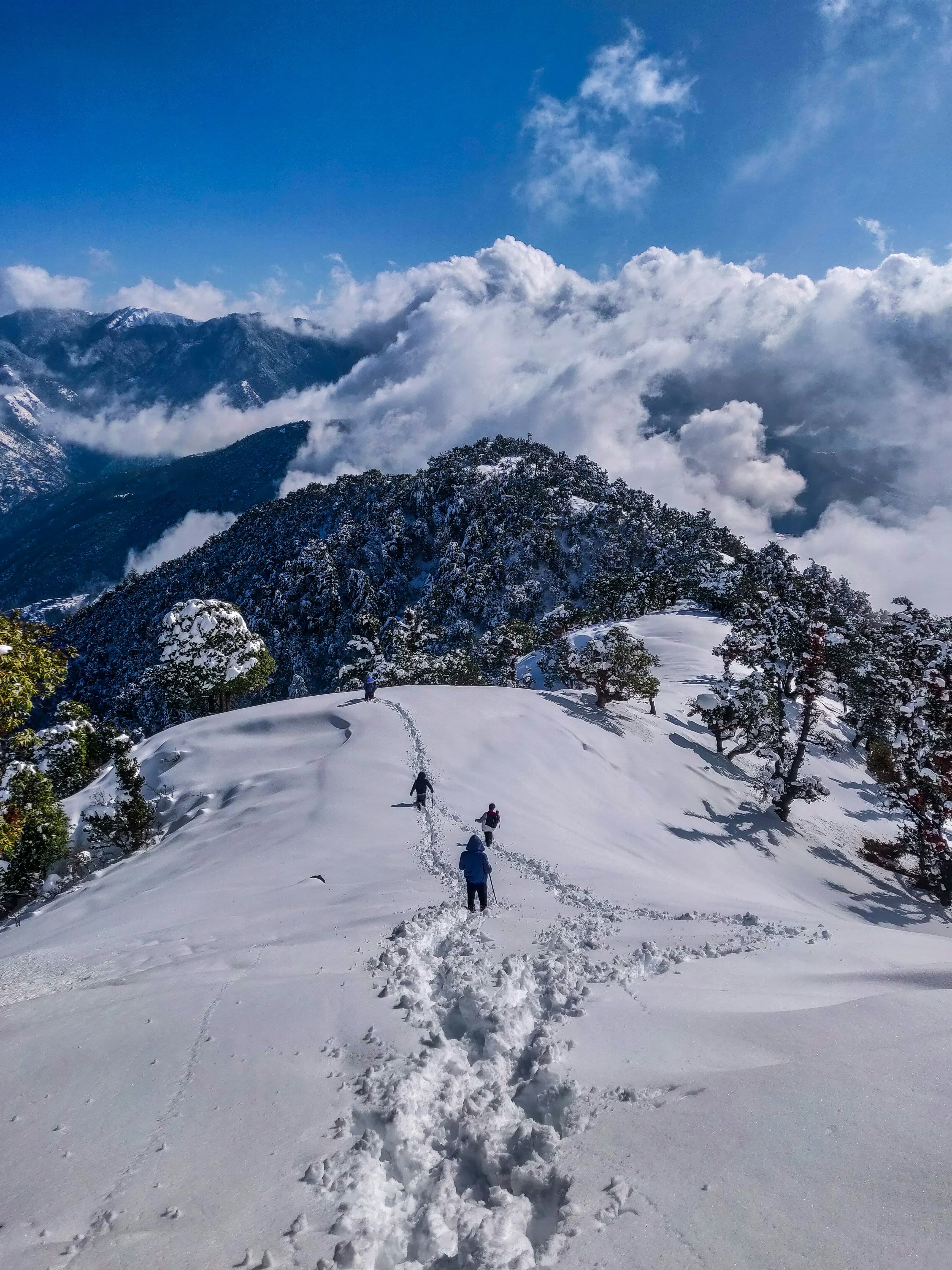
- Best Season for Snowfall: December to February (Town is fully white).
- Best Time for Rohtang Pass: May to October (Permit required).
- Cheapest Months for Budget Travel: March, September, and November.
- Best Time for Fewer Crowds: October (Post-monsoon clarity).
- Worst Time: July to August (High landslide risk on the highway).
January & February: Peak Snow & Winter Sports
This is the most dramatic Manali—white and bone-chillingly cold. Perfect for those who want to see a proper 'Himalayan Winter'.
- Temperature: -8°C to 8°C.
- Activities: Skiing, snowboarding, and paragliding at Solang Valley.
- What to pack: Heavy woolens, thermals, and waterproof snow boots.
- Pro Tip: February is 20% cheaper than January after the New Year rush.
March & April: The Smart Budget Window
This is a transition season. The snow starts melting in the town but stays on the peaks. It's the cheapest time to visit Manali.
- Temperature: 2°C to 18°C.
- Budget: Hotels offer massive discounts (up to 40%).
- Nature: April is famous for apple blossoms turning the valley pink.
- RecommendedIf you’re planning a budget trip, check our detailed Manali trip cost breakdown for March prices.
May & June: Peak Summer & Rohtang Opening
The most popular season. Rohtang Pass usually opens in early May, making it the best time for high-altitude snow access.
- Temperature: 15°C to 28°C.
- Crowds: Very high—expect long traffic jams near the tunnel.
- Warning: Prices for everything (taxis, hotels) spike by 50%.
October & November: The 'Experienced Traveler' Choice
October is objectively the best season to go Manali. The monsoon wash leaves the valley lush green and the skies crystal clear for mountain photography.
- October: Best for river rafting (Beas is full but safe).
- November: Best for peaceful vibes; light snow starts on high peaks.
- RecommendedStill undecided? See Shimla vs Manali for an autumn comparison.
December: The Festive Snow Trap
Early December is great for budget travelers. Late December is a 'price trap' due to New Year celebrations.
- Status: Snowfall usually starts by mid-December.
- Warning: Mall Road becomes extremely crowded from Dec 25th to Jan 1st.
Rohtang Pass vs. Atal Tunnel (Important)
In 2026, you don't always need Rohtang. If the pass is closed, the Atal Tunnel allows you to cross into Lahaul Valley (Sissu) in just 30 minutes, where you can find snow almost year-round. No permit is needed for the tunnel, unlike Rohtang.
FAQs: Best Time to Visit Manali
- How much does a Manali trip cost in peak season? Expect to pay ₹2000–₹4000 extra for a 3-day trip.
- Which is the best time to visit Manali for snow? January is the most reliable month for heavy snowfall in the main town.
- Is Manali safe in August? No. Landslides are common; we recommend avoiding the highway during heavy rain.
- Can I see snow in May? Yes, but only at Rohtang Pass or the North Portal of Atal Tunnel.
Ready to Explore manali?
Direct booking links with best price guarantee & free cancellation.
High Altitude & Mountain Essentials for Manali
Recommended items to pack before departing from India to avoid paying premium tourist prices locally.
Thermal Base Layer (Top & Bottom)
Night temperatures in high altitudes drop drastically below 10°C even during peak summers.
20,000mAh Fast Charging Power Bank
Lithium phone batteries drain up to 2x faster in cold mountain air. Vital for long bus rides & maps.
45L–60L Waterproof Trekking Rucksack
Cobblestone streets and steep mountain staircases destroy trolley suitcase wheels quickly.
SPF 50+ Sunscreen & UV Polarized Shades
UV index increases by ~10-12% per 1,000m elevation gain; high-altitude glare causes severe sunburn.
Waterproof Trekking Shoes & Grip Boots
Provides essential ankle support on slippery trails, loose gravel, and mountain riverbanks.
Windproof Fleece Jacket & Down Layer
Shields against biting evening winds at mountain viewpoints, cafes, and open passes.