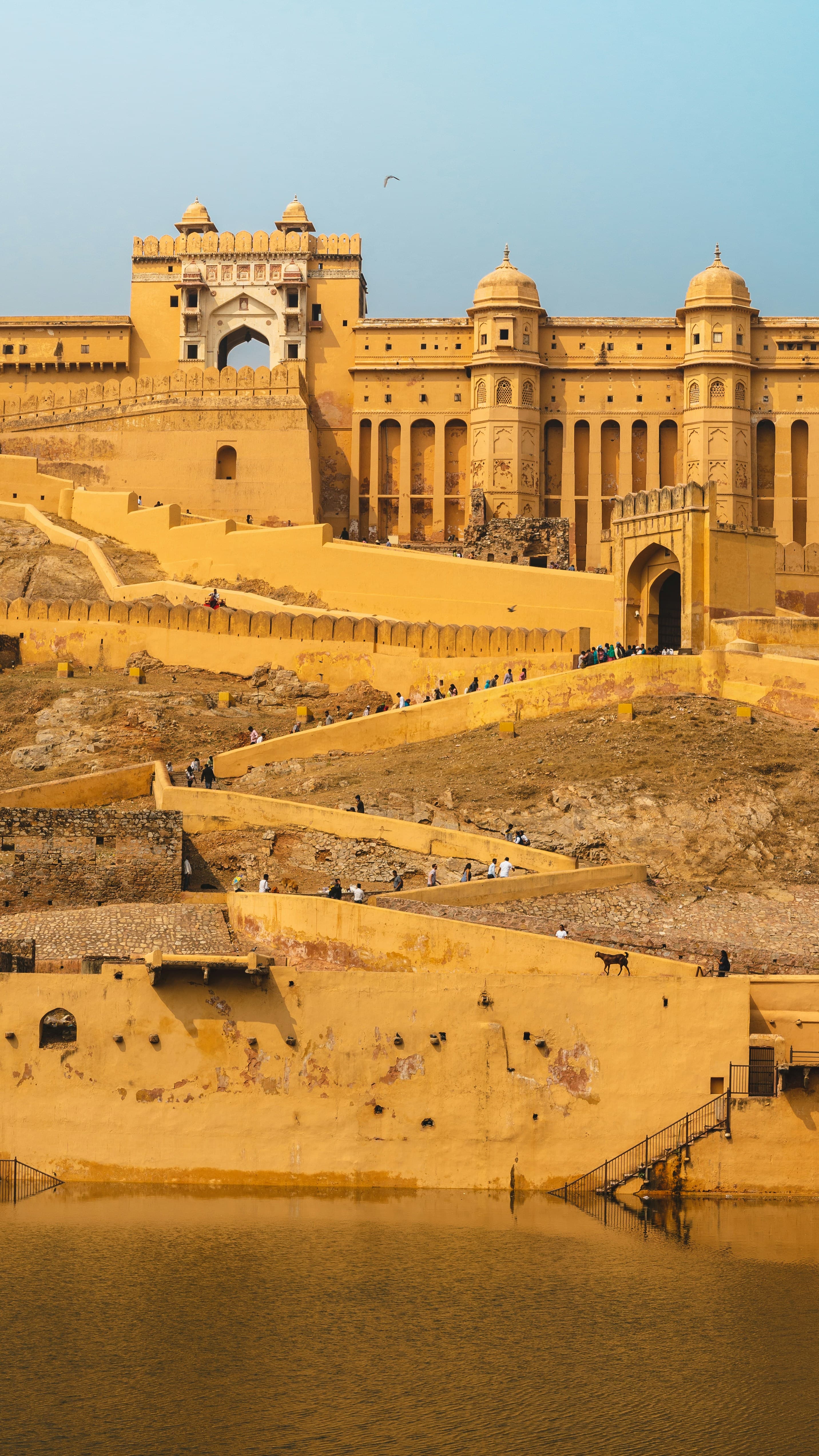
The Truth About Visiting Jaipur on a Budget
Here is the thing nobody tells you about Jaipur — it is simultaneously one of the most photogenic cities in India and one of the most aggressively tourist-trapped. The auto driver who offers to be your "guide," the shop that claims to have government fixed prices, the combo ticket that includes a museum nobody visits — Jaipur has a full ecosystem designed to pull money out of your pocket politely and efficiently. But here is the good news: once you know the game, Jaipur becomes one of the cheapest and most rewarding trips in India. A proper 3-day Jaipur experience — forts, palaces, food, sunsets, markets — costs between ₹5000 and ₹7500 per person from Delhi if you plan right. This guide gives you exactly how.
Quick Summary
- Duration: 3 days / 2 nights
- Total budget: ₹5000–₹7500 per person from Delhi
- Best time: October to March (avoid April–June — 45°C is not a joke)
- Ideal for: Solo travelers, couples, friend groups, first-time Rajasthan visitors
- Difficulty: Easy — well connected, Hindi and basic English understood everywhere
- Do not miss: Nahargarh Fort at sunset, Lassiwala before noon, Masala Chowk after dark
How to Reach Jaipur — Real Options with Real Prices
Jaipur is 280 km from Delhi — one of the best-connected routes in India. You have multiple options depending on your budget and comfort.
FROM DELHI
- Shatabdi Express (train): Departs Delhi 6:05 AM, reaches Jaipur 10:35 AM — ₹545 chair car. Fastest, most comfortable, highly recommended.
- Pink City Express / other trains: ₹180–₹350 sleeper — multiple daily departures from Delhi Junction and Hazrat Nizamuddin
- RSRTC Volvo Bus: ₹400–₹700 from Delhi ISBT Kashmere Gate — comfortable, drops at Sindhi Camp bus stand Jaipur
- Private Volvo bus (redBus): ₹500–₹900 — good for night travel if you want to save hotel cost
- Cab share: ₹500–₹700/person via BlaBlaCar or WhatsApp groups — 4–5 hrs depending on traffic
- Flight: IndiGo/SpiceJet from ₹1500 on sale — only worth it from far cities like Mumbai or Bangalore
FROM MUMBAI
- Train: Jaipur Express or Mumbai-Jaipur SF — ₹550–₹1200 sleeper/3AC, 18–20 hrs
- Flight: ₹2500–₹5000 — saves 15 hours, worth considering if your time is worth more
- Pro tip: Book IRCTC trains 60 days ahead for best availability. If quota full, check tourist quota or book Tatkal at 10 AM sharp.
Getting Around Jaipur — The Smart Way
This one decision will make or break your budget. Jaipur auto drivers near tourist spots operate in a cartel — they will quote ₹200 for a ₹60 ride and refuse to use meters. Here is how to navigate it like a local.
- Rapido bike taxi: Best option for solo travelers — ₹25–₹60 for most city rides. Download before you arrive. Significantly cheaper than autos.
- OLA/Uber: ₹80–₹150 for most rides — better than tourist autos but surge pricing hits during evenings
- Scooty rental: ₹300–₹450/day — ideal for groups or couples, gives you complete freedom. Rent near your hostel, always carry license.
- Local city buses: ₹10–₹25 — covers major routes including Amber Fort and MI Road. Crowded but functional.
- Jaipur Metro: ₹15–₹30 — covers Pink City to Mansarovar corridor. Chandpole to Civil Lines in 8 minutes for ₹15. Massively underused by tourists.
- Auto negotiation trick: Walk at least 200m away from any tourist entrance before negotiating. Prices drop by 40–60% instantly.
- Avoid: Any auto driver who "just wants to show you around" — this always ends in a shop with commission involved.
Where to Stay in Jaipur — Best Budget Options by Area
Where you stay in Jaipur changes your entire experience. The areas near Hawa Mahal and City Palace are convenient but overpriced. Here are the zones that give you the best value.
BANI PARK (Best overall for budget travelers)
- Quiet residential area, 10 min from Pink City by auto
- Moustache Hostel Jaipur: ₹350–₹550 dorm — best social hostel in the city, rooftop, great community
- Hotel Pearl Palace: ₹800–₹1500 private room — legendary budget hotel, roof restaurant has city views, book early
- Dera Rawatsar: ₹1200–₹2000 — heritage guesthouse feel without heritage prices
NEAR MI ROAD (Most central)
- Zostel Jaipur: ₹400–₹600 dorm — well located, clean, good for solo travelers
- Multiple budget hotels ₹700–₹1200 with AC
AVOID
- Hotels within 500m of Hawa Mahal — pay 50% premium for same quality
- "Heritage" hotels that are just old buildings with peeling paint — check reviews carefully
- Booking tip: Always call directly after checking rates online — hostels give 10–15% discount vs Hostelworld and Booking.com.
Day 1: Pink City Classics — Done the Right Way
The classic Jaipur tourist circuit — Hawa Mahal, City Palace, Jantar Mantar, Bapu Bazaar — is genuinely worth doing but most tourists rush through it wrong. The secret is to start early and move anti-clockwise from most tourists.
- 7:00 AM — Start with Lassiwala on MI Road FIRST. Opens early, closes when stock runs out (usually by 1 PM). Clay cup lassi ₹60. The queue at 7 AM is part of the experience. Non-negotiable.
- 8:30 AM — Walk to Hawa Mahal. This early the light hits the facade perfectly for photos and there is zero crowd. Go INSIDE (₹50 entry) — the view from the top windows looking down at Badi Chaupar is stunning and 90% of tourists skip it completely.
- 10:00 AM — City Palace (₹200 Indian nationals, camera included). Take your time — Chandra Mahal, Mubarak Mahal and the textile gallery are genuinely spectacular. Audio guide is worth the ₹100.
- 12:30 PM — Jantar Mantar next door (₹50 entry + ₹50 audio guide). The world's largest stone sundial tells time accurate to 2 seconds. Spend at least 45 minutes here — most tourists give it 10 minutes and miss everything.
- 2:00 PM — Lunch at Rawat Misthan Bhandar near Chandpole (₹100–₹180 for pyaaz kachori, samosa, sweets). This is the most famous local spot in Jaipur. No air conditioning, plastic chairs, absolute legend.
- 4:00 PM — Johari Bazaar for jewelry window shopping (do not buy unless you know gemstones — fake stone market is rampant here).
- 5:30 PM — Bapu Bazaar for textiles, juttis and souvenirs. Prices here are 30–40% lower than shops near tourist sites. Bargain hard — first quote is always double.
- 8:00 PM — Masala Chowk in Ram Niwas Garden — 30+ food stalls, everything under ₹100. Try dal baati churma, gatte ki sabzi, and mirchi bada. Best evening food experience in Jaipur.
- Total Day 1 spend (excluding stay): ₹700–₹1000
Day 3: Local Jaipur — What Tourists Always Miss
Most people leave Jaipur on Day 3 morning without seeing the parts of the city that locals actually love. This day is intentionally slower and more about feeling the city than ticking checkboxes.
- 8:00 AM — Breakfast at Surya Mahal on MI Road — oldest café in Jaipur, been here since 1942. Kachori and chai for ₹80. Locals only, tourists walk past it daily without noticing.
- 9:30 AM — Albert Hall Museum (₹50 entry). Seriously underrated — the Egyptian mummy alone is worth the entry price. The Indo-Saracenic architecture of the building is as impressive as anything inside.
- 11:00 AM — Iswari Minar Swargasuli (₹30 entry) — a minaret you can climb to the top of for a 360° view of the old city. Almost zero tourists, one of the best hidden views in Jaipur.
- 12:30 PM — Traditional Rajasthani thali at LMB (Laxmi Misthan Bhandar) on Johari Bazaar — ₹250–₹400. Running since 1954. The unlimited thali with dal baati, gatte ki sabzi, ker sangri and churma is the most authentic Rajasthani meal you will eat.
- 2:30 PM — Birla Mandir (free entry) — modern marble temple, incredibly photogenic, peaceful after 2 days of fort visits. The white marble glows in afternoon light.
- 4:00 PM — Tripolia Bazaar for authentic Jaipur shopping. This market caters to locals, not tourists — lac bangles, block-printed fabric and meenakari jewelry at honest prices. No tourist markup.
- 6:00 PM — Sundowner at any Bani Park rooftop café. Several small cafés with rooftop seating and city views — chai and snacks under ₹150.
- 8:00 PM — Last dinner at Chokhi Dhani if you have budget (₹800–₹1200 per person for the full village experience + dinner) — expensive but genuinely memorable. Or Masala Chowk again for a budget send-off.
- Total Day 3 spend (excluding stay and travel): ₹500–₹1000
Complete Realistic Budget Breakdown
- Delhi to Jaipur Shatabdi (one way): ₹545
- Jaipur to Delhi return train: ₹545
- Stay 2 nights (hostel dorm): ₹700–₹1100
- Food 3 days (local + one splurge meal): ₹800–₹1400
- Entry tickets (Amber combo + others): ₹500–₹700
- Local transport (Rapido + metro + one scooter day): ₹400–₹600
- Shopping / souvenirs: ₹300–₹600
- Miscellaneous (tips, snacks, chai): ₹200–₹300
- TOTAL REALISTIC RANGE: ₹4990–₹7290
- Tight budget (dorms, no shopping, local food): ₹4500–₹5500
- Comfortable budget (private room, one nice dinner): ₹6500–₹8000
- Couple sharing private room: ₹8000–₹10000 combined
What to Eat in Jaipur — The Full Food Map
Jaipur has one of the richest street food cultures in North India and almost all of it costs under ₹100 per item. The problem is finding the real spots vs the tourist versions. Here is the list.
MUST EAT
- Pyaaz Kachori: Rawat Misthan Bhandar (Chandpole) — ₹25/piece, crispy, onion-filled, legendary since 1944
- Lassi: Lassiwala (MI Road) — ₹60 clay cup, thick malai on top, closes early, go before noon
- Dal Baati Churma: Rawat Restaurant or Chokhi Dhani — ₹200–₹250 for a proper portion
- Mirchi Bada: Johari Bazaar street vendors — ₹20, potato-stuffed green chili fritter, aggressively spicy
- Ghewar: Any sweet shop in August–September (seasonal) — ₹80–₹200 depending on size
- Ker Sangri: A Rajasthani desert bean and berry curry — try at any proper thali restaurant
BEST FOOD STREETS
- Masala Chowk, Ram Niwas Garden: 30+ stalls, open evenings, everything under ₹100
- Tripolia Bazaar: Local street snacks, zero tourist pricing
- MI Road: Best concentration of cafes and sweet shops
CAFES FOR A BREAK
- Tapri Central: Rooftop chai café near C-Scheme, ₹40–₹80 for chai, beloved by young Jaipurites
- Curious Life Coffee Roasters: Best coffee in Jaipur, ₹120–₹180, Bani Park area
- Café Palladio: Beautiful Italian café inside a heritage building — worth one visit for the experience (₹400–₹600)
Tourist Traps to Avoid in Jaipur
Jaipur's tourist economy is sophisticated. These are the specific traps that catch even experienced travelers.
- The Friendly Auto Guide: Driver offers free city tour, takes you to 3–4 shops where he earns 20–30% commission on everything you buy. Prices in these shops are inflated by 40%. Always add "no shops please" when hiring any auto.
- Elephant rides at Amber: ₹1100 per elephant, ethically questionable, same experience as ₹200 jeep. Always choose the jeep.
- Gemstone shops near Johari Bazaar: "Government certified" and "export quality" are phrases that mean nothing here. Fake gemstones sold at real prices is common. Do not buy gemstones unless you are an expert.
- Combo tickets sold by touts: Only buy official RTDC combo tickets at the fort entrance. Tout versions are sometimes fake or restricted.
- Hotel "heritage" pricing: Many guesthouses add "heritage" to their name and triple the price for old buildings with no renovation. Read recent reviews carefully.
- Water bottles inside forts: ₹40–₹60 inside vs ₹20 outside. Carry your own from a nearby shop.
- Metered autos: Most auto meters in Jaipur are rigged. Negotiate upfront fare instead — for any intra-city ride ₹60–₹120 is fair.
Things Nobody Tells You About Jaipur
- Nahargarh Fort is practically free after 5:30 PM when the ticket counter closes — locals know this, tourists do not
- The Amber + Jaigarh + Nahargarh combo ticket (₹300) saves ₹150 vs buying separately — barely advertised
- Jaipur Literature Festival in late January makes the city electric but hotels are 3x the price — book 6 weeks ahead or avoid that specific weekend
- All major forts open at 8 AM — being there in the first hour means 60% fewer crowds and dramatically better photos
- Jaipur Metro from Chandpole to Civil Lines is ₹15 — covers the entire old city spine faster than any auto
- Lassiwala closes when milk stock runs out — sometimes by 11 AM on busy days. Go at 7–8 AM.
- April to June temperatures cross 45°C — plan all outdoor activities before 11 AM and after 5 PM or you will suffer
- Bargaining in Bapu Bazaar is expected — first price is always 2x the actual selling price. Walk away once and they will call you back at real price
- The back streets of the old city (inside Chandpole Gate) are completely untouched by tourism and extraordinarily photogenic — just walk in without a plan
Best Time to Visit Jaipur — Month by Month
- October: Post-monsoon, green hills behind the forts, 25–30°C, fewer tourists — hidden gem month
- November: Perfect weather, 18–28°C, Diwali often falls here (city looks magical with lights)
- December: Pleasant days, cooler evenings, 10–22°C — great for sightseeing. Christmas week gets busy.
- January: Best weather, 8–20°C, Jaipur Literature Festival (late Jan) — book hotels early
- February: Best overall month — Holi week in March is festive and photogenic
- March: Holi in Jaipur is a major event — the color festival here is wilder than most cities
- April–June: 38–48°C — genuinely dangerous heat. Only viable if you are visiting for less than 2 days with AC everything.
- July–September: Monsoon — 25–35°C, occasional heavy rains. Crowds drop 50%, prices drop 30%. Fort visits perfectly fine. Some roads get waterlogged.
Jaipur Day Trip Options (If You Have Extra Time)
- Pushkar (145 km): Sacred lake town, Brahma Temple, camel market — half day by bus ₹100 each way
- Ajmer (135 km): Dargah Sharif pilgrimage site — very moving experience, accessible by bus or train ₹80–₹150
- Abhaneri Step Well (95 km): Chand Baori — one of the most stunning step wells in India, completely empty of tourists on weekdays
- Ranthambore (180 km): Tiger reserve — needs at least overnight stay for proper safari experience
- Sambhar Lake (75 km): India's largest saline lake, flamingo spotting season Oct–Feb — ₹200 cab share
FAQs
Is a Jaipur trip possible under ₹5,000?
How many days are enough for Jaipur?
Is Jaipur safe for solo female travelers?
Is Jaipur worth visiting in the summer?
What is the best fort to visit in Jaipur?
Can I do Jaipur and Agra in the same trip?
Do I need a guide in Jaipur?
What language do people speak in Jaipur?
Final Verdict
Jaipur is not just a city of palaces — it is a city of layers. The first layer is what every tourist sees: Hawa Mahal photos, Amber elephant rides, Johari Bazaar shopping. But underneath that is the Jaipur that locals live in — the clay cup lassi at 7 AM, the minaret you can climb for free, the back lanes of Tripolia Bazaar where prices are honest, the Nahargarh sunset that most visitors never make it to. The first type of Jaipur trip costs ₹12,000 and leaves you feeling vaguely ripped off. The second type costs ₹6,000 and stays with you for years. This guide is for the second type. Now go book that Shatabdi.